
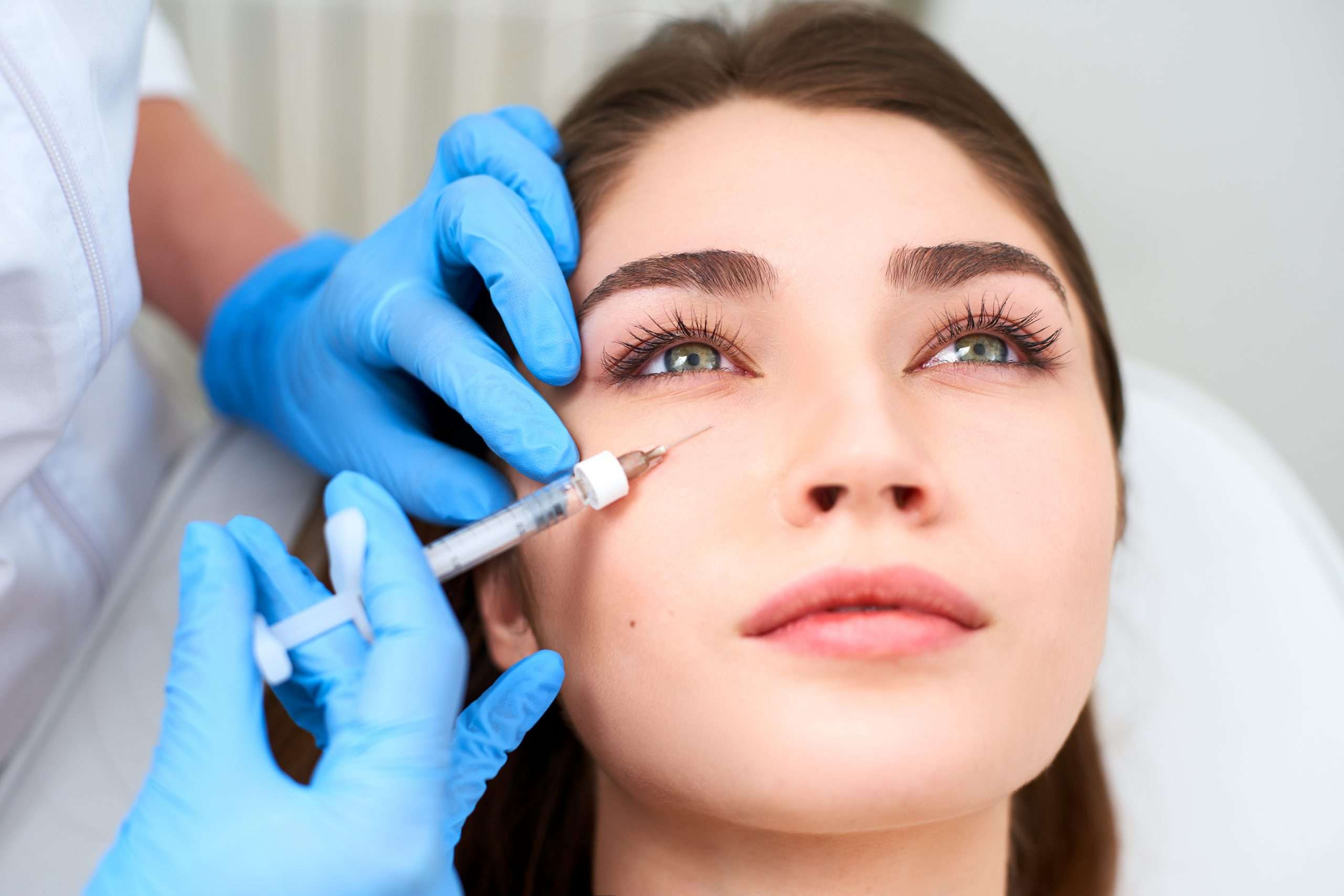
Tear trough fillers vs Nucleofill
By Dr Rachael Syvret
The eye area is usually one of the first places to start showing the ageing process. From fine lines, crepey skin, dark circles, “bags” and hollows; there are numerous changes that occur that give away our age and stop us from looking refreshed.
So, what can we do about it?
Well, for the “crows feet” – the lines that extend out from the lateral canthus of the eye (outer corner); there really is nothing that beats botox. But for the more under eye area your options mainly lie between tear trough filler and Nucleofill.
What are both of these and which would be best for me?
Tear trough filler
Let’s start by looking at tear trough filler. Tear trough filler involves placing hyaluronic acid based dermal fillers under the skin. Reaching from the inner corner of the eye and extending down onto the cheek area. This filler is typically placed using a cannula, but sometimes a needle may be used in conjunction.
Pros: no better way for lifting the hollows formed by the tear trough and reducing that shadowing appearance the tear trough can give. Because it is dermal filler based, the results are mostly immediate, but do take two weeks to see the full effects. The procedure is quick, and usually well tolerated from a pain point of view.
Cons: the eye area is one of the more dangerous places to deposit filler. The biggest risk with filler is it being injected into a blood vessel and causing a blockage. This is a risk anywhere, but the tear trough region has the added complexity of vessels that supply the eye being in close proximity. If the filler is placed too superficially, there is the risk of the “Tyndall” effect. This is where the overlying skin can take on a blueish hue. Not everyone is suitable for tear trough filler. If the skin of the under eye area is too lax or has a propensity to hold water, then placing filler here would make the situation much worse.
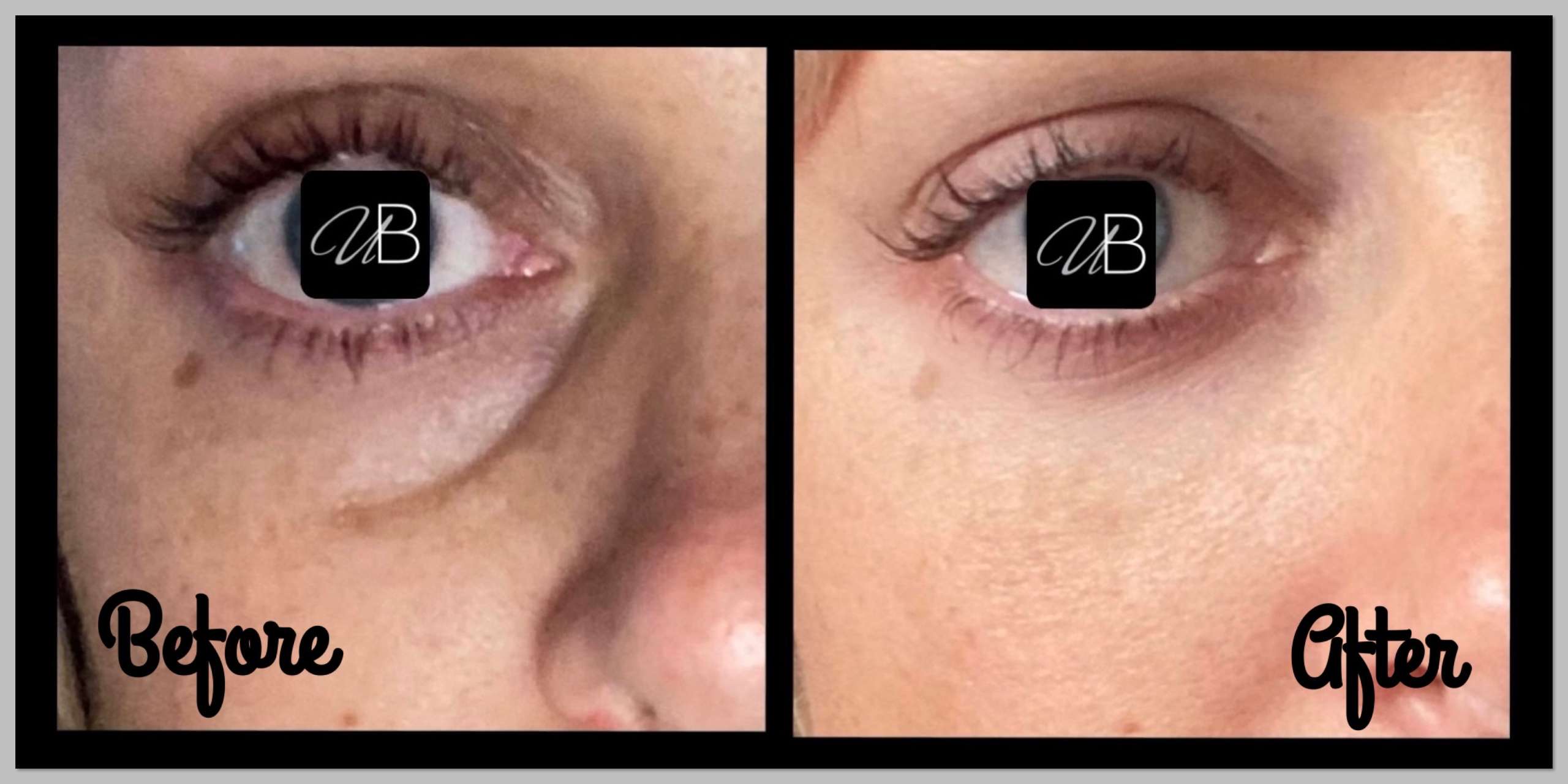
Nucleofill
So, now let’s look at Nucleofill. Nucleofill is a polypeptide based product that works as a cell signalling molecule to help lift and hydrate the skin. It helps to rejuvenate the eye area by treating bags, puffiness, hollows and fine lines. It is typically placed using a cannula, but sometimes a needle may be used in conjunction.
Pros: great safety profile! No reported cases of causing a blockage in blood vessels. It can be injected right up to the lash line, right along the eye. Suitable for most patients, even when tear trough filler is not. As it is a cell signally molecule, there is nothing long-lasting in the skin. After two weeks the product leaves the body completely and your own body’s cells then do the work.
Cons: effects are not immediate. Most patients need 2-3 treatments, 2-3 weeks apart. There is some stinging from placement of the product. There can be some swelling for 24 hours following the procedure.

Still undecided?
There are pros and cons to both treatments. If you are still not sure what the right treatment for you is, why not book a no obligation, free consultation with me and we can assess your eye area and discuss what would be the best option for you.

